AI-Powered Billing and Inventory Software for Smarter Business Management
Wiki Article
Making GST Billing and Accounting Easier to Organize
Financial administration is an essential part of running a business. Whether a company sells products, manages multiple branches, or works with a large customer base, accurate billing and organized accounting records support everyday operations. As transaction volumes increase, relying on spreadsheets, paper documents, or several unrelated applications can make routine management more difficult.
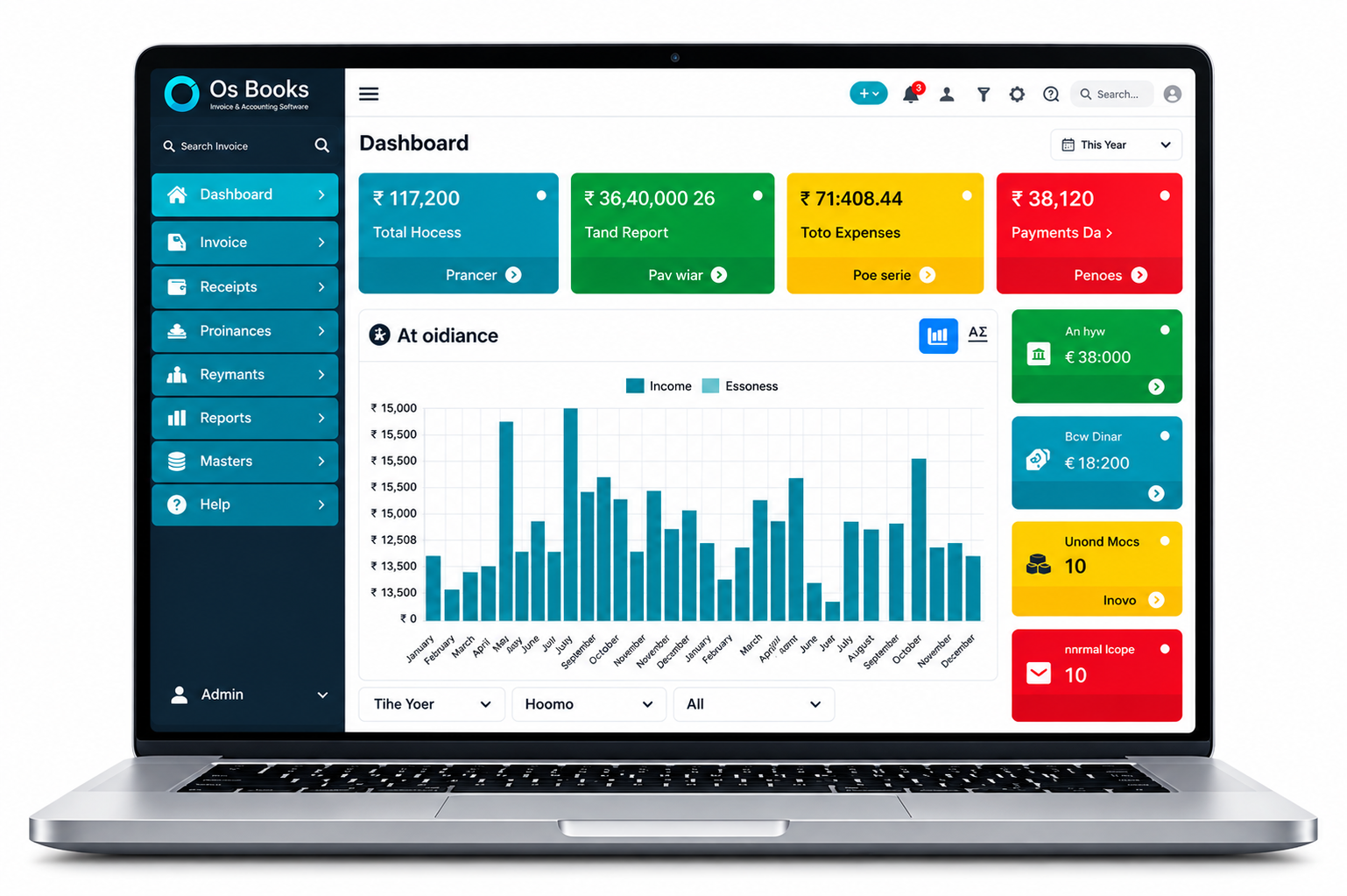
Modern business management software brings many of these activities together. OS-BOOKS by OS SOFT INDIA is designed as an integrated platform covering billing, inventory, GST, accounting, reports, and multi-branch management. It also provides tools for uploading bills from photos and PDFs, transferring data through Tally import and export, sending bills and reminders through WhatsApp, and accessing the system on mobile and desktop devices.
The Role of GST-Ready Business Processes
Businesses operating in India often need to manage taxation as part of their invoicing and accounting processes. GST-related information can become difficult to maintain when sales, purchases, and accounting records are scattered across different systems. A centralized software environment can help organize these activities around a consistent workflow.
Keeping Transaction Information Organized
Every invoice represents business information that may later be relevant to accounting, reporting, customer communication, or inventory management. A structured billing platform allows users to create and maintain transaction records within an organized environment. This can reduce unnecessary duplication of information and make routine administration easier.
OS-BOOKS combines billing with inventory and accounting capabilities, allowing businesses to approach these activities as connected processes rather than isolated tasks. Businesses should still configure their software appropriately and ensure that their accounting and tax practices meet applicable requirements.
Accounting and Billing Should Work Together
Billing and accounting are closely related. Sales invoices affect business records, while purchase transactions can influence inventory and accounting information. When employees have to enter the same transaction into multiple systems, repetitive work can increase.
Reducing Repetitive Administrative Work
An integrated business management system can provide a common operational environment for transaction-related activities. Instead of maintaining one application for invoices and another unrelated system for other records, users can work through connected modules. The goal is not simply to automate every task, but to create a workflow in which information can move logically from one business activity to another.
Digital Purchase Entry Through Bill Uploads
Purchase documentation can arrive as printed invoices, scanned documents, photographs, or PDF files. Manually entering information from every document can become repetitive. OS-BOOKS includes functionality for creating purchase entries directly from photos and PDF files, providing a way to bring document information into the purchase workflow.
This feature can be particularly relevant to businesses that receive frequent supplier invoices. Instead of treating every document as a separate manual data-entry exercise, businesses can use digital bill processing as part of their broader accounting and inventory workflow.
Benefits of a More Structured Purchase Workflow
- Less reliance on repeated manual entry
- More organized purchase documentation
- Connection between purchasing and inventory workflows
- Easier access to business records
- Greater consistency in day-to-day administration
Tally Import and Export for Existing Businesses
Many businesses already have accounting information stored in established software. Replacing a system without considering historical information can create unnecessary operational challenges. OS-BOOKS includes Tally import and export capabilities, which can support businesses that need to transfer information between systems.
Data migration should always be approached carefully. Businesses should review what information needs to be transferred, confirm the relevant formats, and verify records after migration. Import and export tools can make the process more practical, but organizations should still establish appropriate procedures for checking the accuracy and completeness of their data.
WhatsApp Billing and Payment Reminders
Customer communication is an important part of financial administration. After an invoice is generated, businesses may need to share it with customers or follow up regarding pending payments. OS-BOOKS provides WhatsApp bill and reminder functionality, allowing these communications to take place through a familiar messaging channel.
Improving Communication Around Transactions
Digital communication can help businesses maintain a more consistent process for sharing invoices and reminders. It can also make the customer experience more convenient when customers prefer receiving documents electronically. Businesses should use reminders professionally and respect applicable communication and privacy requirements.
Reports That Help Owners Review Business Activity
Accounting software becomes more useful when transaction data can be reviewed through reports. Business owners may want to understand sales activity, purchasing patterns, inventory records, or other operational information. Centralized reports can provide a more organized view than manually combining information from different files.
Questions Reports Can Help Businesses Explore
- What sales transactions have been recorded?
- What purchase information is available?
- How is inventory being managed?
- What accounting information needs attention?
- Which customer payment follow-ups are pending?
- How can branch-level information be reviewed?
Reports do not automatically create business decisions. Their value depends on accurate data, appropriate interpretation, and consistent processes. However, organized reporting can make it easier for managers to review the information they already collect through daily operations.
Managing More Than One Business Location
Multi-branch businesses face additional challenges because information is generated at different locations. Without an organized management system, owners may need to collect information separately from each branch. A multi-branch platform can provide a centralized framework for organizing branch-related activity.
Centralized Management With Local Operations
Each branch can have its own operational activity while management maintains a broader view of the organization. This structure can be valuable for businesses that are expanding or already operate across multiple locations. The exact setup should depend on how the company manages its branches and what information different users need to access.
Using Business Software Across Devices
Business owners and employees increasingly work from different environments. Desktop computers remain important for many administrative tasks, while smartphones provide convenience for users who need access while away from a workstation. OS-BOOKS supports mobile and desktop access, giving users flexibility in how they interact with the platform.
Device flexibility can be particularly relevant to owners who need to review business information while traveling between locations. It can also support employees who divide their responsibilities between office-based and mobile work.
How Businesses Can Evaluate Accounting Software
Selecting accounting and billing software should involve more than comparing feature counts. Businesses should examine how well a platform fits their actual workflow. Important areas can include GST requirements, invoice creation, purchase entry, inventory management, reporting, data migration, customer communication, branch management, and device accessibility.
Practical Evaluation Checklist
- Identify the business processes that need to be managed.
- Review billing and invoice requirements.
- Examine inventory and purchase workflows.
- Check data migration requirements for existing systems.
- Review reporting and accounting capabilities.
- Consider mobile and desktop accessibility.
- Evaluate training and customer support options.
Why an All-in-One Platform Can Be Useful
An all-in-one platform can reduce the need to maintain separate applications for closely related business activities. Billing, inventory, accounting, reports, customer communication, and branch management all contribute to the same operational picture. Bringing these functions together can provide a more consistent approach to managing business information.
For growing organizations, this structure can also provide a foundation for improving internal processes. Instead of adding another disconnected tool whenever a new operational need appears, businesses can first examine whether an existing integrated platform can support the requirement.
Conclusion
Effective GST billing and accounting depend on organized transaction records and consistent business processes. Software such as OS-BOOKS provides a centralized environment for billing, inventory, GST, accounting, reporting, and multi-branch management, while additional tools support bill uploads, Tally data transfer, WhatsApp communication, and access across Electronic Shop Software mobile and desktop devices.
Businesses considering accounting software should Best Billing Software evaluate the platform against their own requirements and operational practices. When billing, purchasing, inventory, accounting, and reporting are connected, employees can spend less time managing disconnected records and more time using organized information for everyday business administration.
 Report this wiki page